 Currently we are growing and selling organic food.



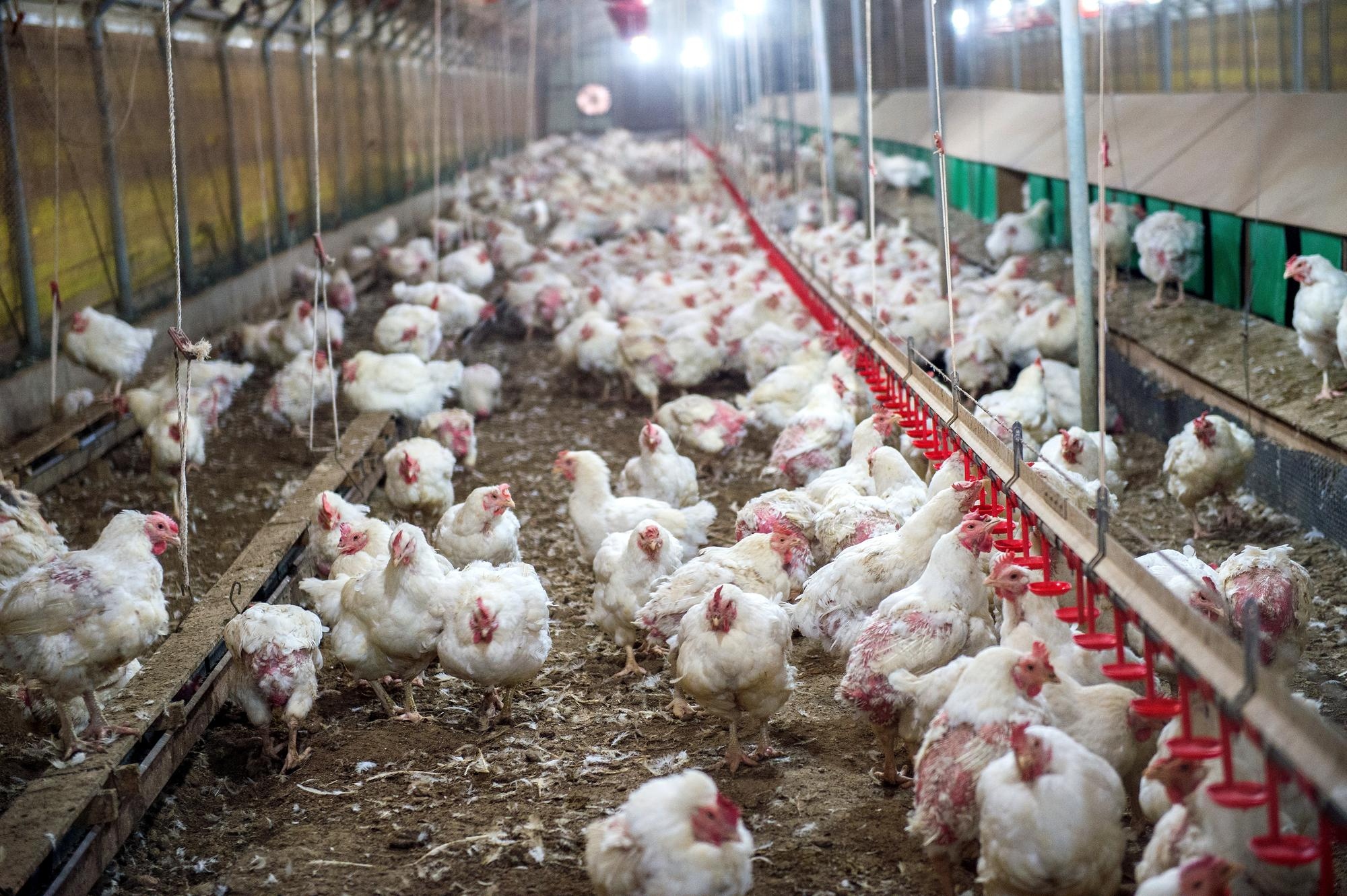
How Animal Nutrition Improves Livestock Health And Productivity
Animal nutrition is one of the most important factors in successful livestock farming. It directly affects animal health, growth, reproduction, and productivity. When animals receive proper nutrition, they stay healthier, grow faster, and produce more milk, meat, or eggs.
Good nutrition is not just about feeding animals enough food. It is about providing the right balance of nutrients at the right time. Farmers who focus on balanced feeding often achieve better results, lower disease risks, and higher farm income.
What Is Animal Nutrition?
Animal nutrition refers to the process of providing animals with all essential nutrients needed for growth, energy, and overall health.
These nutrients include:
- Proteins - Help in muscle growth and repair
- Carbohydrates – Provide energy for daily activities
- Fats – Support energy storage and body functions
- Vitamins – Improve immunity and body functions
- Minerals – Strengthen bones, blood, and metabolism
- Water – Essential for digestion and body balance
Each nutrient plays a unique role in maintaining health and supporting productivity in livestock.
Importance of Animal Nutrition in Livestock Farming
Proper nutrition is the foundation of healthy livestock farming. Without it, animals become weak, less productive, and more prone to diseases.
Good nutrition helps in:
- Faster growth of young animals
- Higher milk, meat, and egg production
- Strong immunity and disease resistance
- Better reproduction and fertility
- Improved overall farm efficiency
How Nutrition Improves Livestock Health
Good nutrition also ensures that animals can adapt better to environmental changes such as heat, cold, or stress conditions. It plays a key role in maintaining steady growth, strong immunity, and stable performance across all stages of life.
Here are the key ways nutrition improves livestock health:
1. Strong Immune System
A balanced diet strengthens the immune system of animals. Nutrients like Vitamin A, Vitamin E, and Zinc help the body fight infections and reduce disease risks.
Healthy immunity means fewer veterinary visits and lower treatment costs for farmers.
2. Better Growth and Development
Proper nutrition supports strong muscle formation and bone development. Young animals grow faster when they receive a balanced diet with enough protein and energy.
This leads to healthier livestock with better body condition and higher productivity in the future.
3. Disease Prevention
Animals with poor nutrition are more likely to suffer from digestive problems, infections, and weakness.
Balanced feeding helps:
- Improve digestion
- Maintain gut health
- Reduce risk of common diseases
- Support faster recovery from illness
4. Improved Reproductive Health
Nutrition plays a major role in reproduction. Well-fed animals have better fertility rates, smoother pregnancies, and healthier offspring.
In dairy farming, good nutrition also helps in reducing calving problems and improving milk production after delivery.
How Nutrition Increases Productivity
Good nutrition also improves feed conversion efficiency, meaning animals produce more output from the same amount of feed. This reduces wastage and increases profitability for farmers.
Below are the key ways nutrition increases productivity in livestock farming:
1. Higher Milk Production
Dairy animals need energy-rich and protein-balanced feed to produce high-quality milk. Proper nutrition increases both milk quantity and quality.
Farmers often see a significant rise in milk yield when feeding is properly managed.
2. Better Meat Quality
In cattle, goats, and sheep, good nutrition improves muscle growth and fat balance. This leads to better meat texture, weight gain, and overall quality.
3. Increased Egg Production
In poultry farming, balanced nutrition improves egg size, shell strength, and production consistency. Birds with proper feed lay more eggs and stay healthier.
Key Components of a Healthy Livestock Diet
A complete livestock diet should include:
1. High-Quality Fodder: Fresh grass, hay, or silage provides fiber for digestion and energy.
2. Protein-Rich Feed: Protein supports muscle development and milk production.
3. Energy Sources: Grains like maize, barley, and wheat provide energy for daily body functions.
4. Mineral Mixtures: Calcium, phosphorus, magnesium, and other minerals support bones, metabolism, and reproduction.
5. Clean Water: Water is essential for digestion, nutrient absorption, and temperature control.
Common Feeding Mistakes to Avoid
Many farmers face productivity loss due to simple feeding mistakes:
- Overfeeding or underfeeding animals
- Using low-quality or expired feed
- Ignoring mineral and vitamin requirements
- Irregular feeding schedules
- Sudden changes in diet without adjustment
Avoiding these mistakes helps improve livestock health and performance.
Role of Feed Supplements in Animal Nutrition
Feed supplements play an important role in modern livestock farming. They help fill nutritional gaps in regular feed.
Benefits of feed supplements include:
- Improved digestion and nutrient absorption
- Faster growth and weight gain
- Stronger immunity and disease resistance
- Better reproductive performance
- Higher milk and meat output
Modern supplements are scientifically formulated to ensure animals receive complete and balanced nutrition.
Conclusion
Animal nutrition is the backbone of livestock health and productivity. A well-balanced diet improves immunity, growth, reproduction, and overall farm output.
When animals receive proper nutrition, they stay healthier and more productive, helping farmers achieve better profitability and long-term success. Investing in quality nutrition is one of the most effective ways to improve livestock farming results.
FAQs
1. How does animal nutrition affect livestock productivity?
Animal nutrition directly impacts productivity by improving growth, milk yield, meat quality, and egg production. A balanced diet helps animals convert feed into output more efficiently, leading to better farm results.
2. What type of feed increases milk production in dairy animals?
Dairy animals need energy-rich and protein-balanced feed along with vitamins and minerals. Good quality fodder, grains, and mineral mixtures help increase both milk quantity and quality.
3. Can poor nutrition reduce meat and egg production?
Yes, poor nutrition leads to slow growth, weak immunity, and low production. Animals may produce less milk, lower-quality meat, and fewer eggs if their diet lacks essential nutrients.
4. Why are feed supplements important for productivity?
Feed supplements help fill nutritional gaps in regular feed. They improve digestion, boost immunity, support growth, and enhance overall productivity in livestock farming.
5. How long does it take to see results from improved nutrition?
Results depend on animal type and condition, but improvements in health and productivity can often be seen within a few weeks to a few months of consistent balanced feeding.